Social Campaign
A rail revolution, one tweet at a time.
Posts in 60 days
Campaign impressions
Likes on Twitter alone
the team's Impressions record
Strategic overview
Strategic Overview
The goal? Make a legislative announcement the start of a conversation.
I led the digital and creative reintroduction of the American High-Speed Rail Act, combining a prepared coalition of supporters and cosponsors with a tailored approach to engaging in the comments, engaging with news and culture, and keeping the conversation going. The campaign helped make a major infrastructure proposal feel tangible and worth sharing.
Prepare
Equip cosponsors, unions, advocates, and influencers with a pre-launch social toolkit.
Launch
Pair an introductory thread with platform-specific posts and coordinated amplification.
Sustain
Use replies, questions, cultural moments, and critiques as opportunities for additional posts.
Creative highlights
Creative Highlights


the launch
Anatomy of the Launch Thread
A nine-post sequence designed to earn attention, explain the proposal, and mobilize a coalition.
I built the thread around a visual hook, practical benefits, and the people already backing the bill. Each post below is paired with its strategic role.
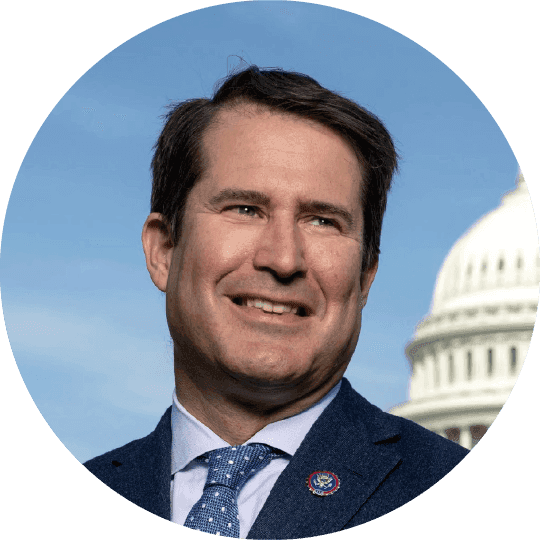
Rep. Seth Moulton
@RepMoulton · 1/9
All aboard! 🚂
High-Speed Rail isn’t just the future for us, it’s the present for billions of people. America is badly behind.
It’s a privilege to reintroduce the American #HighSpeedRail Act with @RepDelBene to kickstart our country’s rail revolution.
🧵1/

1.1K
481
2.8K
547.6K
HOOK · POST 1
Open with possibility
The launch graphic and “All aboard!” opener gave the announcement immediate visual and textual hooks to stop scrollers in their tracks.
Rep. Seth Moulton
@RepMoulton · 2/9
The bill would invest $205 billion over five years to create a national network of high-speed rail lines.
We want to connect towns and cities that have been deserted by airlines and left out of existing transportation options.
🧵2/9
121
19
532
62.9K
THE PROPOSAL · POST 2
Make the proposal concrete
By quickly explaining the bill before naming the villains and beneficiaries, I avoided diving into dull legislative nuance to instead focus on drumming up interest.
Rep. Seth Moulton
@RepMoulton · 3/9
This isn’t just about creating a faster, greener alternative to cars and planes, it’s about connecting communities to opportunity. Opportunity for
🧳 Cheap travel
🛠️ Better jobs
🏠 Affordable housing
and even more.
🧵3/9
15
11
398
14.8K
The BENEFITS · POST 3
Opportunity for everyone
This tweet quickly framed some of the biggest, most universal benefits people could look forward to, laid out with emoji bullets to make it quickly scannable and eye-catching.
Rep. Seth Moulton
@RepMoulton · 4/9
After introducing the bill last Friday, we already have over 30 co-sponsors ready to vote yes.
We have even seen some initial interest from Republican lawmakers — I’m working hard to get them on board too.
🧵4/9
5
10
360
14.3K
The Movement · POST 4
Proving momentum
Mentioning the 30+ cosponsors established momentum, while calling out Republican interest implicitly dismissed arguments it would only benefit blue or coastal states.
Rep. Seth Moulton
@RepMoulton · 5/9
Much of the rest of the modern world already has massively successful HSR available.
🇩🇪 Germany.
🇯🇵 Japan.
🇪🇸 Spain.
🇫🇷 France.
🇨🇳 And even China.
It’s time America stop being a follower and start being a leader in transportation again.
🧵5/9
27
19
390
20.4K
Achievability · POST 5
The comparison
International examples offered a clear proof point. Framing the choice around American leadership made a large infrastructure proposal feel like a doable opportunity to catch up.
THE COALITION · POSTS 6–8
Recognition and support
These three posts publicly credited the cosponsors, advocates, and unions we'd been in touch with ahead of the launch. Tagging their accounts gave each partner a direct opportunity to engage and amplify, while the call to action "Colleagues — sign on now!" extended the invitation for further support.
Rep. Seth Moulton
@RepMoulton · 9/9
We have the chance to think big and think differently.
Let’s not waste this opportunity — it’s time to pass the American High-Speed Rail Act.
🚄9/9

24
13
224
5.99K
CALL TO ACTION · POST 9
Standalone closer
The final post was a general call to action to tie it up. It also used a new visual as well to ensure the Congressman's face and the bill details appear for anyone seeing the thread in their feed or amplifying its opening or closing messages.
The Conversation
Keeping the Conversation on Track
Responding to commenters and updates directly allowed us to drive the conversation forward and find inspiration for additional comments, posts, or replies without letting it derail the campaign.


Conclusion
Results and Analysis
The sustained campaign massively scaled up the office’s digital reach.
On track for roughly 10 million impressions
The campaign — totaling over 100 individual posts, replies, and pieces of content — put the office on track for 10 million Twitter impressions in 2024, over 20 times the annual impressions record from before I joined the team.
The office’s most popular content
By the end of the campaign, high-speed rail content accounted for much of the Congressman’s most popular content across platforms. Throughout my time in the office, I drafted all 30 of its most-liked posts, with 25 of the top 30 being high-speed-rail-related.
A larger audience across platforms
Throughout my tenure, the office’s combined following grew by 90% across platforms. Much of that growth — particularly on Twitter — can be attributed directly to this campaign.
Why it worked
Culture made the campaign approachable, maps made the future imaginable, practical benefits gave people a reason to care, and replies made it a real conversation.